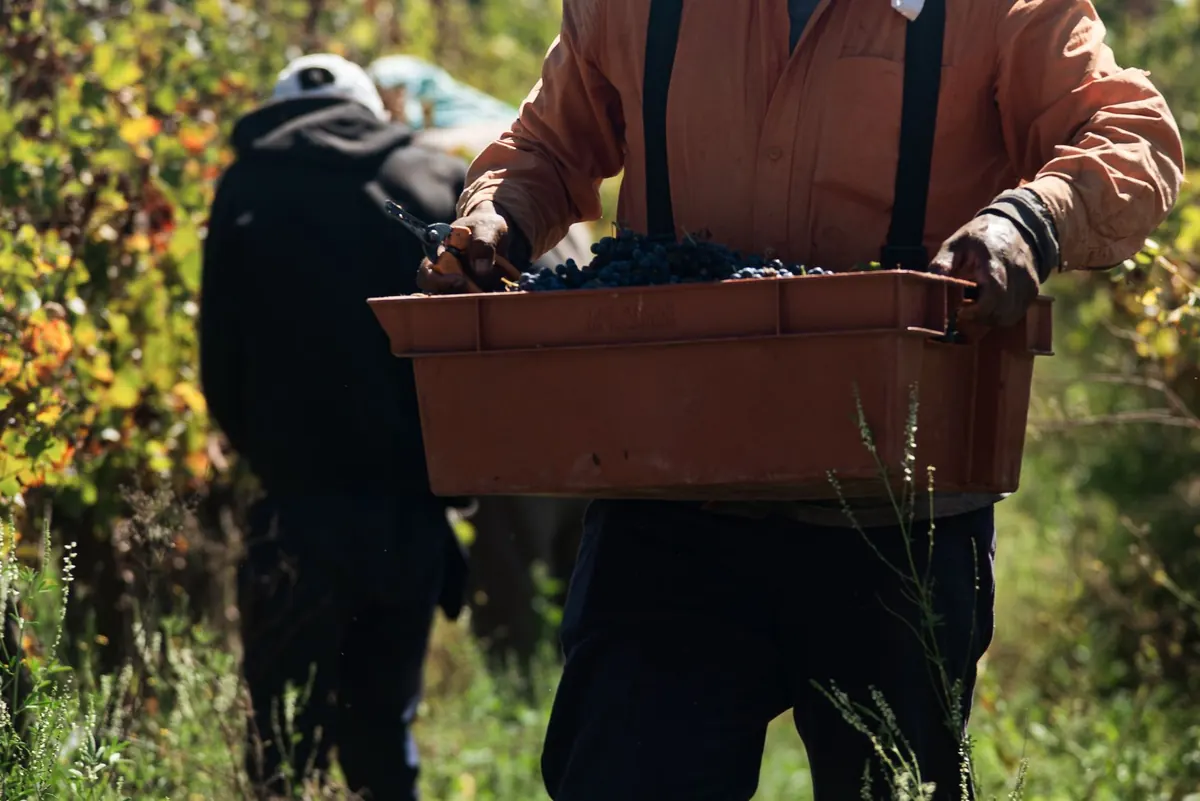
Two bottles of the same wine, from the same producer and the same vineyard, can taste like distant cousins ten years apart. One is lean, herbal and taut; the other is dark, plush and generous. Nothing in the cellar changed. The growing season did. Vintage variation is the reason wine is never quite the same twice, and understanding it is one of the most practical skills a buyer can develop. It tells you whether a bottle is ready tonight, worth cellaring, or best left on the shelf.
What Vintage Variation Really Means
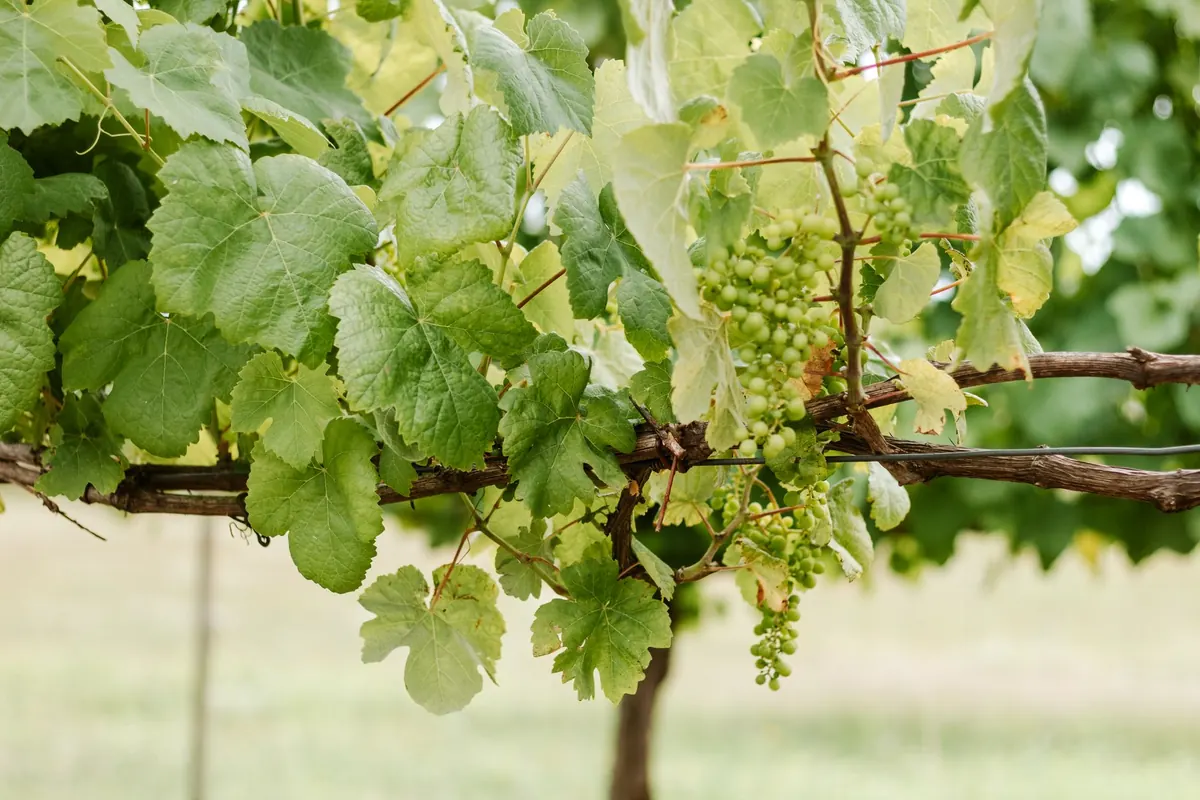
Wine is agriculture before it is anything else. Each year, from budburst in spring to picking in late summer or autumn, the vines live through a particular set of conditions: heat, cold, rain, wind, drought, disease pressure. Grapes respond by ripening differently, accumulating more or less sugar, holding on to more or less acidity, developing tannins and aromas at different speeds.
The year on the label is the year the grapes were harvested — not the year the wine was bottled or released. It matters most for wines made from a single harvest. Non-vintage bottlings such as most Champagne, sherry from a solera, or ruby Port blends deliberately mix years to keep a house style consistent. Single-vintage wines accept the weather as it comes, which is why the same label can be thrilling in one year and merely pleasant in the next.
The Weather Moments That Matter
A vine's year is long, but a few windows decide most of the outcome.
Spring: frost, rain and flowering
A frost after budburst can destroy young shoots overnight and cut the crop drastically. Cold, windy or wet weather at flowering leads to poor fruit set: fewer berries, uneven sizes, sometimes whole bunches that never ripen. A small crop is not automatically bad — concentration can be excellent — but uneven ripening makes life difficult in the winery.
Summer: heat, drought and stress
Vines need warmth to ripen, but extreme heat can halt the process altogether; the plant simply protects itself. Sunburned berries taste baked, and fruit left hanging through a heatwave can end up high in alcohol with soft, low acidity. Cool, grey summers do the opposite: the grapes stay fresh but may never lose their green, leafy edge, and tannins can remain hard and unripe.
The final weeks before harvest
This is where vintages are usually made or lost. Steady warmth with cool nights preserves aroma and acidity while sugar climbs gently. A single day of heavy rain at the wrong moment can swell and split the berries, dilute flavours and invite rot. A dry, mild autumn allows growers to wait — and waiting, when the forecast is kind, is often what separates a good vintage from a great one.
Decisions in the Vineyard and Winery
Weather sets the terms; people decide how to answer. Picking dates are the biggest lever. Pick early and you keep freshness and lower alcohol; pick late and you chase ripeness, risking rain and rot. Growers also drop fruit to concentrate the remainder, sort berries by hand, and judge how much new oak or extraction the fruit can take.
Blending is another form of insurance. A difficult year might see a higher share of Merlot in a Bordeaux blend, or more reserve wine in a Champagne house's non-vintage cuvée. In weaker years, some estates quietly declassify their top wine and put the fruit into a second label instead — a sign of rigour, not failure. Others make no grand vin at all.
Why Some Vintages Age Better Than Others
Wines that cellar well share a structure: enough acidity to stay fresh, enough tannin or extract to hold shape, enough fruit concentration to outlast both, and balance between them. A hot, ripe vintage with low acidity and high alcohol can be delicious at three years old and tired at ten. A cool, firm vintage may be awkward and closed at five, then open into something far more interesting at fifteen.
That is why vintage assessments change as wines mature. A year dismissed on release for lean fruit can turn out to have the bones for long ageing, while a plush, immediately flattering vintage may fade earlier than expected. How you store the bottles matters just as much: a steady cool temperature, darkness, some humidity and no vibration will do more for a wine's future than any vintage chart. If you are buying wine as an investment rather than for drinking, treat it as a financial decision and take professional advice.
Judging a Vintage Without Tasting It
- Start with the region, not the year. Vintage charts average thousands of hectares; they are useful background and a misleading verdict.
- Check the producer's record across several vintages. Skilled growers make good wine in ordinary years and very good wine in poor ones.
- Look for structure, not just praise. Mentions of fresh acidity, fine tannins and balance say more about cellaring potential than a single number.
- Read between the lines of tasting notes. Dilute, hollow, baked or flabby are warnings; precise, energetic, chalky or sapid suggest a wine with shape.
- Buy one bottle before a case. Open it over two evenings to see how it changes in the glass and with air.
- Think about format. Half bottles mature faster than standard bottles, magnums slower. A useful way to buy an older vintage for earlier drinking.
- Ask about library releases. Producers often hold stock back, so you can buy a mature year with known provenance rather than gambling at auction.
One caution: vintage generalisations break down at close range. Two estates a kilometre apart, one on a gravel ridge and one in a damp hollow, can have completely different results in the same year. Aspect, altitude, drainage, vine age and canopy management all shift the outcome. Even in a widely praised region, a difficult year can produce a handful of excellent wines — and an acclaimed year a few disappointing ones.
Before You Cellar a Case
Taste first, then commit. Buy three or six bottles rather than twelve until you know the wine and the vintage suit your taste. Note the price and the date of purchase, along with a rough drinking window, and revisit it every year or two — wines do not read the calendar. Keep a mixed cellar so there is always something ready to drink while the serious bottles sleep. And remember that a modest vintage from a careful producer, priced accordingly, is often better value than an average wine from a celebrated year.
Photo: Gonzalo Acuña / Pexels